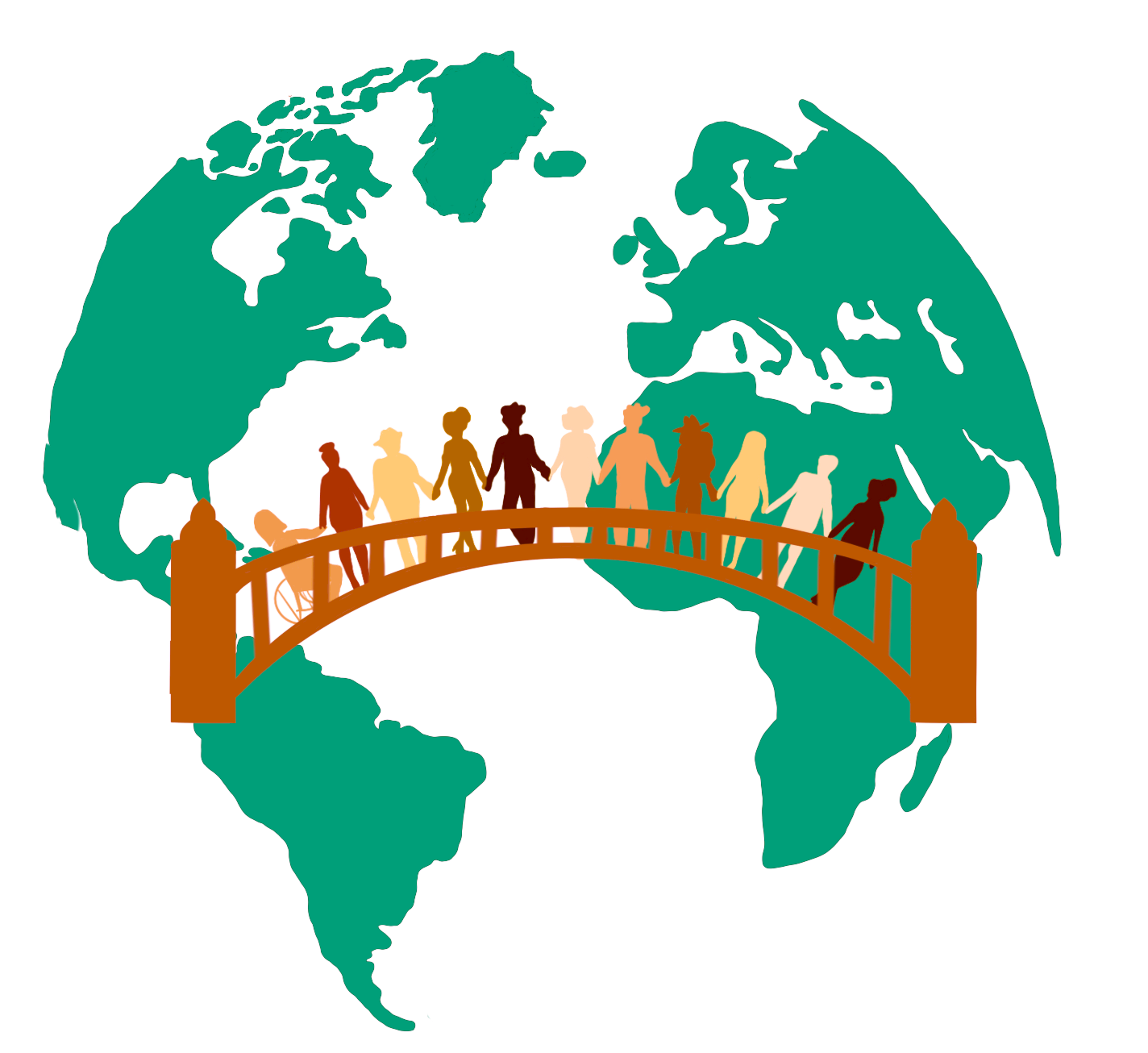
Week 13: CrossBorder Work

Accountability When Nonprofits Operate Across Countries
Educational initiative independent of
any government agency
An initiative of Bridging Health Intl
Why This Week Matters
Many nonprofits today dont operate in just one
country.
They may be:
At some point, leaders ask questions like:
Whose rules apply?
Which reporting standard comes first?
Who are we ultimately accountable to?
This week explores why
accountability becomes more complex when nonprofit work crosses borders, and
how organizations can navigate that complexity without losing trust or focus.
Why CrossBorder Accountability Feels
Different
When work stays within one country, accountability expectations while sometimes complex, usually come from familiar and predictable sources. Crossborder work changes that. Instead of a single set of expectations, accountability may now come from multiple directions.
None of these actors necessarily coordinate with one
another and all may expect compliance at the same time.
Where Accountability Pressure Comes From
In crossborder settings,
accountability usually shows up through overlapping expectations:
Legal
Compliance: Registration, taxation, and operational
approval requirements may differ by country and may not align neatly.
Donor
and Funding Requirements: International funders often impose
reporting, audit, and compliance standards that go beyond local requirements.
Local
Accountability: Communities, partners, and beneficiaries
expect responsiveness, fairness, and cultural understanding; often outside
formal reporting systems.
Governance
Oversight: Boards must oversee work happening far away,
sometimes with limited realtime information.
This creates a situation where accountability isdistributed,not centralized.
A Common RealWorld Scenario
Consider an organization headquartered in one country,
delivering services in another, with funding from a third.
Accountability exists but it isunevenand not everyone experiences it the same way.Understanding this dynamic helps nonprofit leaders respond thoughtfully rather than defensively.
The Risks of Misaligned Accountability
When accountability expectations dont align,
organizations may face:
The issue is rarely bad intent. More often, its
What Strong CrossBorder Accountability
Looks Like
While no single approach
fits all contexts, organizations that manage crossborder accountability well
tend to focus on:
Accountability becomes
less about satisfying every demand perfectly and more about holding coherence
across expectations.
Practical Questions to Ask
For organizations working across borders, helpful
accountability questions include:
These questions encourage balance rather than
compliance overload.
Why This Matters for Trust
Crossborder nonprofits
often operate under heightened scrutiny. Trust is built not by perfect
compliance everywhere, but by:
When accountability is
approached consciously, global work becomes more credible not riskier or fraught
with integrity concerns.
Quote of the Week
Crossborder
accountability isn't about meeting every expectation equally, it's about
honoring responsibility across differences.
About this Series
This edition is part of
the Nonprofit Accountability Hub, an independent educational initiative
examining how nonprofits build trust, transparency, and responsibility across
different systems and realworld operating conditions.
Consider how these perspectives relate to your organizations work, and learn more about the Hubs purpose and approach [here].
Coming Next (Week 14)
Funding, Power, and Accountability - How
Money Shapes Oversight in the Nonprofit Sector.